
Planning balanced meals does not have to mean following a strict menu or spending hours in the kitchen. A simple approach can help you include a variety of foods, save time, and make everyday meals feel more manageable.
The goal is not to create perfect plates every day. Instead, focus on building meals with a useful mix of food groups and keeping enough flexibility for busy schedules, changing preferences, and unexpected plans.
Start with a simple meal formula
A helpful starting point is to think of a meal in three parts:
– Vegetables or fruit
– A source of protein
– A source of carbohydrates
– A small amount of fat, when it fits the meal
This formula is flexible and works for many types of food. For example, a meal might include roasted vegetables, beans, and rice. Another option could be a turkey sandwich with fruit and a side salad.
You do not need to measure every ingredient. Use the formula as a quick visual guide rather than a strict rule. Some meals may include more of one food group and less of another, and that is perfectly normal.
Use familiar foods
Balanced meals are easier to plan when they include foods you already enjoy. There is no need to build every meal around a new recipe or unfamiliar ingredient.
Make a list of reliable options in each category:
Vegetables and fruit
– Fresh apples, bananas, oranges, or berries
– Frozen vegetables
– Salad greens
– Carrots, peppers, broccoli, or green beans
– Canned tomatoes or unsweetened fruit
Protein foods
– Eggs
– Chicken or fish
– Beans and lentils
– Tofu
– Yogurt or cottage cheese
– Nuts and seeds
Carbohydrate foods
– Rice
– Potatoes
– Oats
– Whole grain bread
– Pasta
– Corn or tortillas
Having a list of foods you like makes planning faster and reduces the pressure to be creative every day.
Plan by meal type instead of exact recipes
A detailed menu can be useful, but it may also feel restrictive. A more relaxed method is to plan meal types for the week.
For example:
– Two rice or grain-based meals
– Two pasta meals
– Two soup or stew meals
– One breakfast-for-dinner meal
– Easy leftovers for one or two lunches
This gives you structure without requiring a precise schedule. You can choose the specific ingredients based on what is available and what you feel like eating.
Another option is to create a short list of meal combinations:
– Chicken, roasted vegetables, and potatoes
– Bean tacos with lettuce and tomatoes
– Pasta with tomato sauce, vegetables, and cheese
– Grain bowls with tofu, greens, and a simple dressing
– Vegetable soup with bread and yogurt
Keep the list somewhere convenient, such as on your phone or on the refrigerator. Over time, it can become a personal menu library.
Build a flexible weekly plan
A good weekly plan should make life easier, not create extra work. Start by looking at your schedule.
Ask yourself:
– Which nights will be busy?
– When will you have time to cook?
– Which meals can be prepared ahead?
– When might leftovers be useful?
– Do you have any plans to eat away from home?
Choose quick meals for busy evenings and reserve longer recipes for days when you have more time. You can also plan one or two “use what you have” meals to reduce food waste.
Try a mix of meal formats
A balanced week can include several formats:
– Cook once, eat twice: Prepare enough for dinner and the next day’s lunch.
– Build-your-own meals: Set out ingredients for bowls, tacos, sandwiches, or salads.
– Shortcut meals: Use frozen vegetables, canned beans, prewashed greens, or cooked grains.
– Freezer meals: Keep soup, chili, or cooked proteins ready for busy days.
– Simple snack plates: Combine fruit, vegetables, cheese, eggs, or whole grain crackers.
Variety does not require a different recipe every night. Changing the sauce, seasoning, or side dish can make the same basic ingredients feel different.
Keep a practical pantry
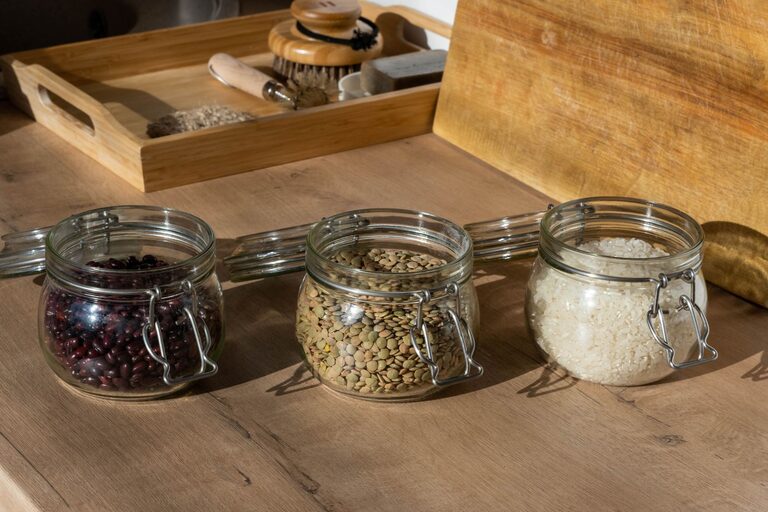
A well-stocked pantry can help you prepare meals when fresh ingredients are limited. Choose shelf-stable foods that can be combined in several ways.
Useful staples include:
– Canned beans and lentils
– Rice, pasta, oats, and other grains
– Canned tomatoes
– Broth or stock
– Nut butters
– Dried herbs and spices
– Olive or vegetable oil
– Canned fish, if you enjoy it
– Shelf-stable milk or dairy alternatives
Keep a few frozen foods on hand as well. Frozen vegetables and fruit are convenient, last a long time, and can be used in soups, stir-fries, smoothies, oatmeal, and side dishes.
The best pantry is not the one with the most items. It is the one filled with foods you regularly use.
Make preparation easier
Meal planning becomes less stressful when preparation is broken into small steps. You do not need to spend an entire day cooking.
Try completing one or two tasks at a time:
– Wash and cut vegetables after shopping
– Cook a batch of rice, pasta, or grains
– Prepare a simple dressing or sauce
– Portion snacks into easy-to-grab containers
– Cook extra vegetables or protein for another meal
– Move frozen food to the refrigerator the night before
Even 20 to 30 minutes of preparation can make the next few meals easier. If you do not have time to prep, choose ingredients that require little or no cooking.
Use shortcuts without guilt
Convenience foods can be part of balanced meals. Precut vegetables, frozen grains, canned beans, rotisserie chicken, prepared salads, and jarred sauces can all save time.
To make a shortcut meal feel more complete, add one or two simple items. For example, combine prepared soup with a sandwich and fruit, or serve frozen vegetables with cooked rice and eggs.
The purpose of meal planning is to support your routine. It should not become another source of pressure.
Leave room for flexibility
Plans often change. You may have less time than expected, run out of an ingredient, or simply want something different. A flexible plan can adapt without starting over.
Keep a few backup meals available, such as:
– Eggs with toast and fruit
– Pasta with beans and frozen vegetables
– A sandwich with a side of soup
– Yogurt with oats, fruit, and nuts
– Rice with canned beans, salsa, and cheese
You can also use a “swap” system. Replace chicken with beans, rice with potatoes, or fresh vegetables with frozen ones. Similar ingredients can often serve the same purpose in a meal.
Focus on patterns, not perfection
Balanced eating is built over time. One meal does not need to contain everything, and one less-balanced meal does not ruin your overall routine.
Look at the pattern across a day or week. Aim to include a variety of vegetables, fruits, protein foods, grains, and other foods you enjoy. Notice which meals leave you satisfied and which planning habits save you the most time.
Most importantly, choose a system you can repeat. A short list of favorite meals, a flexible grocery list, and a few reliable backup options may be more useful than an elaborate plan.
When meal planning feels simple and adaptable, balanced meals become a natural part of everyday life rather than another task to perfect.
Related Posts
How to Plan Easy Meals From Pantry Staples
Planning meals from pantry staples is a practical way to…